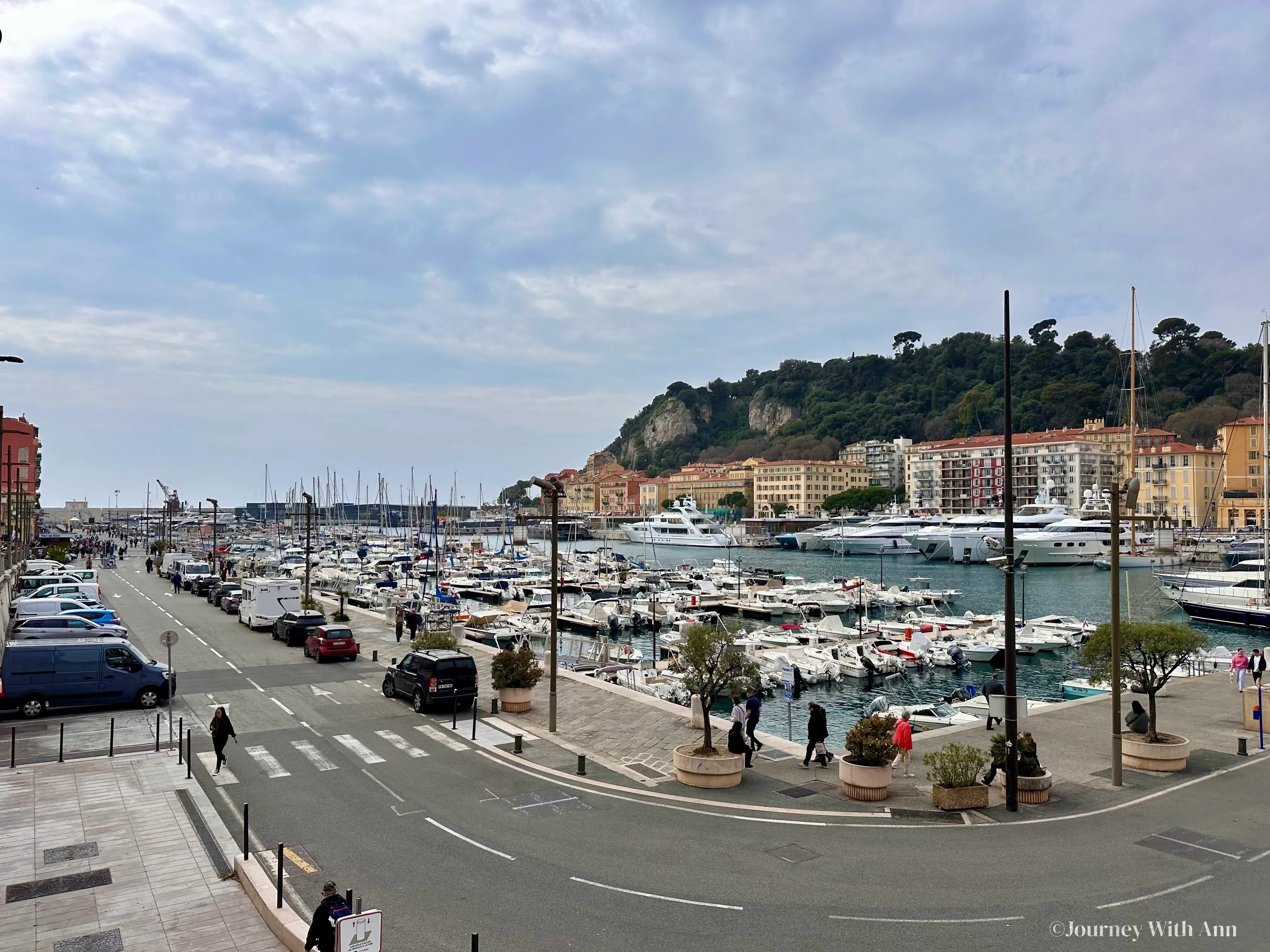


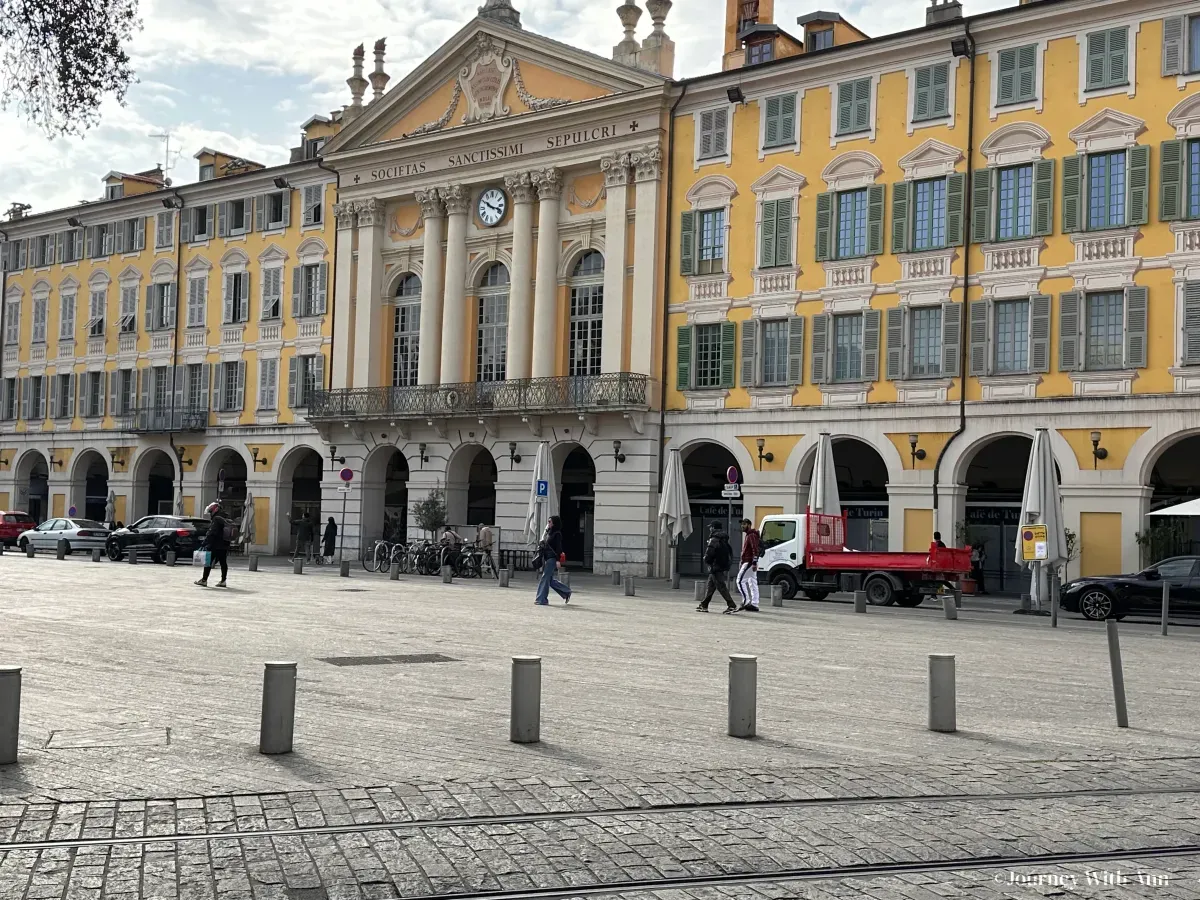
It is more useful to look at Nice weather month by month than to rely only on the traditional four seasons. March can feel completely different from late May. September often still feels like summer, while November is cooler and quieter.
For a first trip that combines sightseeing, restaurants, beaches, and day trips, I would choose June or September..
In this guide
- Nice in spring: March to May
- Nice in summer: June to August
- Nice in autumn: September to November
- Nice in winter: December to February
- Best time to visit Nice for beaches and swimming
- Best time to visit Nice for sightseeing
- When Nice is most crowded and expensive
- Best time to visit Nice for fewer crowds and lower prices
- What is the best month to visit Nice?
- What I noticed in Nice
Nice in spring: March to May
Spring is a good choice if you want to combine sightseeing, coastal walks, restaurants, markets, and day trips before the summer heat and peak-season crowds arrive..
March weather can be unpredictable. Some days feel genuinely warm in the sun, while others are cooler, cloudy, or rainy, especially in the mornings and evenings. The weather usually becomes milder in April. By May, Nice can already feel pleasantly warm, with plenty of good days for spending hours outside.
Nice is a seaside city, and spring can be noticeably windy. This is particularly true along the Promenade des Anglais. Wind coming off the Mediterranean can make a sunny day feel much cooler, and sometimes less comfortable, than the temperature suggests. A light jacket or windproof layer is useful even when the forecast looks warm, especially in March and early April.
The main advantage of spring is that walking is generally more comfortable than it is in midsummer. The sea stays cool for most of the season, though that does not keep everyone out of the water. On sunny days, you will often see people relaxing on the beach and even swimming, particularly closer to May. For most travelers, spring is better for coastal walks and sunshine than for spending a long time in the Mediterranean.
I chose spring for my first visit to Nice. At the beginning of March, the weather was windy and cool, especially near the sea, but it did not stop me from enjoying the city. I saw every place I had planned to visit, walked without the exhausting summer heat, and explored at my own pace. By the end of the trip, I genuinely did not want to leave.

The Fontaine du Soleil at night in Place Masséna, Nice, France..
Watch my Nice video on YouTube.
Nice in summer: June to August
Summer brings the version of the French Riviera that many people picture: brilliant blue water, busy terraces and beaches, open beach clubs, long evenings, palm trees against clear skies, and a lively coastline..
June is particularly appealing. Summer has arrived, but the city can feel less intense than it does at the height of July and August. Those two months are the center of the Nice tourist season and the busiest time of year.
Expect hot, sunny days, crowded beaches and restaurants, more people around the main attractions, and much greater demand for hotels. This is also when Nice's beaches are at their most inviting. The Mediterranean is warm, beach clubs are fully operating, and the evenings stay warm enough to make the sea part of the whole day.
The heat is the main drawback. Exploring Vieux Nice or climbing Castle Hill in the middle of a hot afternoon can be exhausting. In July or August, plan outdoor sightseeing for the morning. Keep the hottest hours for the beach, a long lunch, a museum, or somewhere shady.
Nice in autumn: September to November
For me, autumn is one of the smartest times to visit Nice, particularly in September. You still get much of what people come for in summer: warm weather and sea, outdoor dining, and excellent beach conditions. As the month goes on, the atmosphere gradually becomes calmer. This makes September a serious contender for the best month to visit Nice.
October can also be beautiful. The air becomes more comfortable for walking, while the Mediterranean holds on to its warmth for longer. Météo-France's climate normals for Nice show an October monthly average of about 17°C, though individual days can be considerably warmer or cooler.
Rain becomes more likely in autumn. Mediterranean rainfall can arrive in short, intense periods instead of a gentle drizzle lasting all day, so I would leave a little more flexibility in an October or November itinerary. November feels noticeably quieter, but Nice does not shut down like some purely seasonal Mediterranean resorts.
Nice in winter: December to February
Nice feels different in winter, but it is not a deserted seaside resort. It is a real city, and its cafes, markets, restaurants, museums, shops, and Old Town keep going long after beach season ends.
Days can be mild and sunny, while mornings and evenings are cool. Rainy periods are possible. On a clear winter afternoon, sitting beside the Mediterranean in the sun can feel very different from winter farther north in Europe.
February is particularly interesting because of the Nice Carnival. The Nice Côte d'Azur Tourist Office points to the city's mild February climate as part of the appeal of enjoying the festivities outside.
I would not choose winter for a classic beach holiday. It can still be an excellent time for restaurants, coastal walks, museums, culture, and exploring without the summer heat.
Best time to visit Nice for beaches and swimming
If you mainly want to swim, sunbathe, and spend long days beside the Mediterranean, visit between June and September. July and August offer the warmest combination of air and sea temperatures. September is also appealing because the sea has had the whole summer to warm up, while daytime temperatures can be more comfortable than during the hottest weeks of August.
You will see swimmers during much of the year, so the practical question is how cold you like the sea. Swimming is possible in spring, but the water still feels fresh. By June, it becomes more comfortable for most people. July, August, and much of September are the safest choices if you want warm water rather than a quick, bracing dip.
The sea remains relatively pleasant into early autumn, which is another reason September works so well for travelers who want both sightseeing and beach time. Nice's beaches are mostly pebbled, not sandy. Water shoes make getting into and out of the sea much more comfortable.
Best time to visit Nice for sightseeing
For exploring the city, I would choose April to June or September to October. The weather during these months is usually better suited to long days on foot than the middle of summer.
Nice is a city you experience by walking. You may spend far more time outside than expected, wandering through the narrow streets of Vieux Nice, around Cours Saleya, along the Promenade des Anglais, up Castle Hill, around Port Lympia, and between neighborhoods. All of this is much more enjoyable at around 20-25°C than under the intense midsummer sun.
Spring works particularly well when sightseeing is your priority. September adds a warm Mediterranean, so you can alternate between exploring the city and swimming. If I were planning a second trip that combined Nice with other places on the French Riviera, I would look first at late May, June, or September. These months give you plenty of options without forcing the whole itinerary to revolve around avoiding the midday heat.
When Nice is most crowded and expensive
July and August are Nice's peak season. European summer holidays are in full swing, the beaches are at their busiest, restaurants fill quickly, and demand for accommodation reaches its highest point. Hotel prices tend to rise along with that demand.
If you want to stay near the Promenade des Anglais, Vieux Nice, Carré d'Or, or the seafront, book well in advance for summer. The same advice applies to popular restaurants. In high season, I would reserve the places I particularly wanted to try instead of assuming I could walk in for dinner.
Summer is not the only time when crowds and prices can jump. Major events may briefly increase demand outside the traditional high season. The Nice Carnival is a large winter event, and the wider Côte d'Azur calendar includes sporting, cultural, and music events throughout the year. Weekends can also feel much busier than weekdays, particularly in beautiful weather.
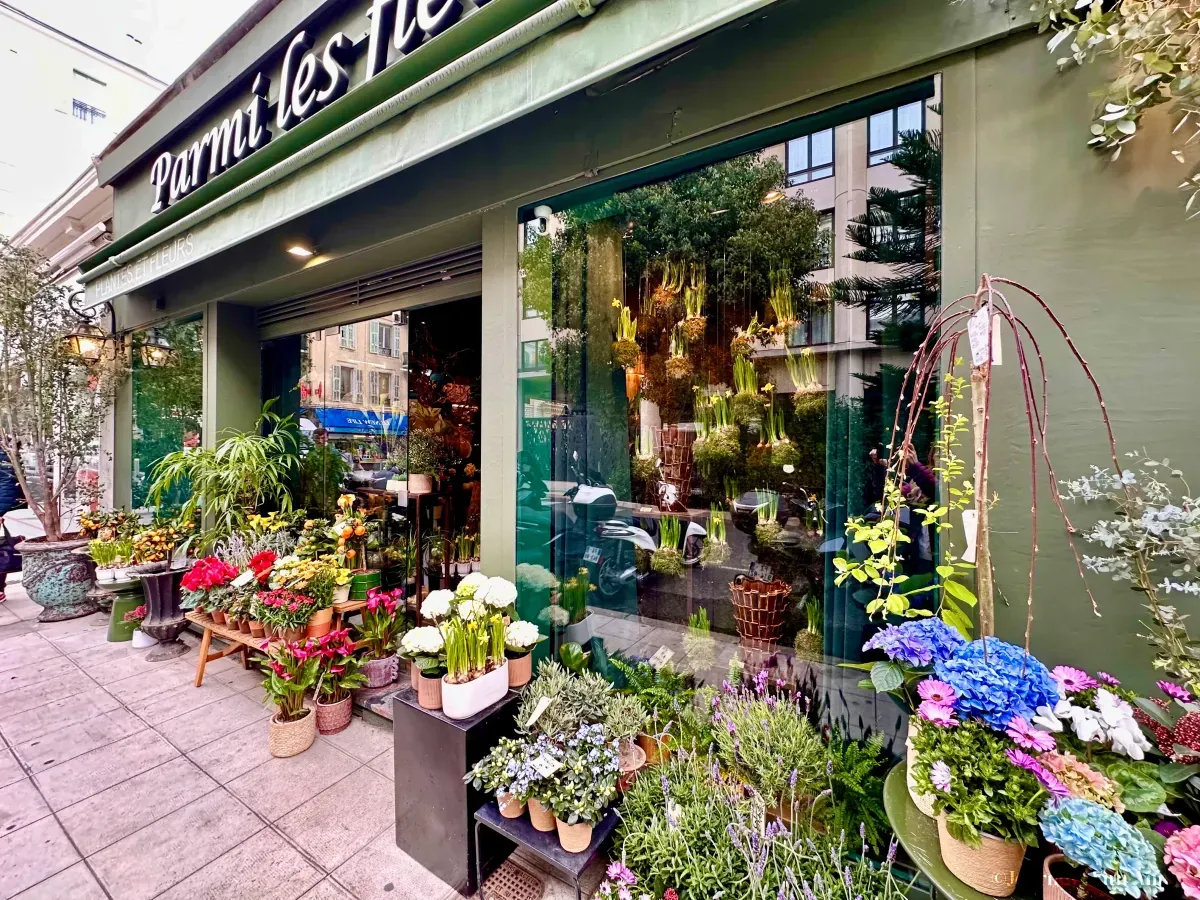
Flower shop in Nice..
Best time to visit Nice for fewer crowds and lower prices
If avoiding the busiest months matters more than swimming in warm water, consider March, April, late October, November, or winter outside major events and holidays..
This is broadly the low season in Nice, though I would use that term carefully. Nice never feels completely seasonal. Unlike smaller Riviera resorts that can become extremely quiet outside summer, it remains active because it is a working city as well as a holiday destination.
Spring is probably the best compromise. You may not get traditional summer beach weather, but you gain comfortable temperatures for sightseeing, easier restaurant reservations, more accommodation choices, and a calmer experience at many popular places.
Late autumn and winter can offer even better value if you are flexible about the weather. These seasons make more sense for food, culture, museums, markets, architecture, and day trips than for swimming.
If you are comparing the best time to visit the French Riviera as a whole, May, June, September, and early October are hard to beat. They offer much of the Côte d'Azur atmosphere without committing you to the hottest and most crowded weeks.
What is the best month to visit Nice?
There is no single best month for everyone. Your choice depends on how much you care about swimming, walking, heat, crowds, and prices.
- May is well suited to sightseeing, road trips, outdoor dining, and pleasant spring weather.
- June is probably the best all-round choice if you want warm weather and increasingly comfortable swimming before the height of summer.
- July and August suit travelers who want a Mediterranean beach holiday and do not mind the heat, crowds, or higher prices.
- September may offer the best balance: a warm sea, a summer atmosphere, good beach weather, and increasingly comfortable conditions for sightseeing.
- October works well if you care more about walking, food, scenery, and exploring than spending every day on the beach.
For a first trip that includes sightseeing, restaurants, beaches, and day trips, I would choose June or September..
What I noticed in Nice
I first visited Nice in March, outside the traditional summer season. What surprised me most was how lively the city already felt. The beaches were much busier than I expected in early spring.
I have traveled extensively around the Mediterranean, including Montenegro, and I honestly do not remember seeing the same level of activity on the beaches there at that time of year. The sea in Nice looked almost impossible to resist. It had that intense Côte d'Azur blue that makes you want to walk straight into the water, even when you know it is still cold. Some people did. There were swimmers in the Mediterranean despite it being March.
The restaurant scene surprised me too. Nice did not feel like a destination waiting for summer to begin. Restaurants were busy, and we saw people queuing for tables even when the weather was not perfect.
Visitor numbers rise dramatically during the main summer season, but that March trip changed how I think about the Nice travel season. Nice does not wake up in June and go back to sleep in September. It stays lively all year, only with a different rhythm in each season.
When deciding when to visit, do not ask whether Nice is worth seeing outside summer. Choose the season that best matches how you want to experience the city.
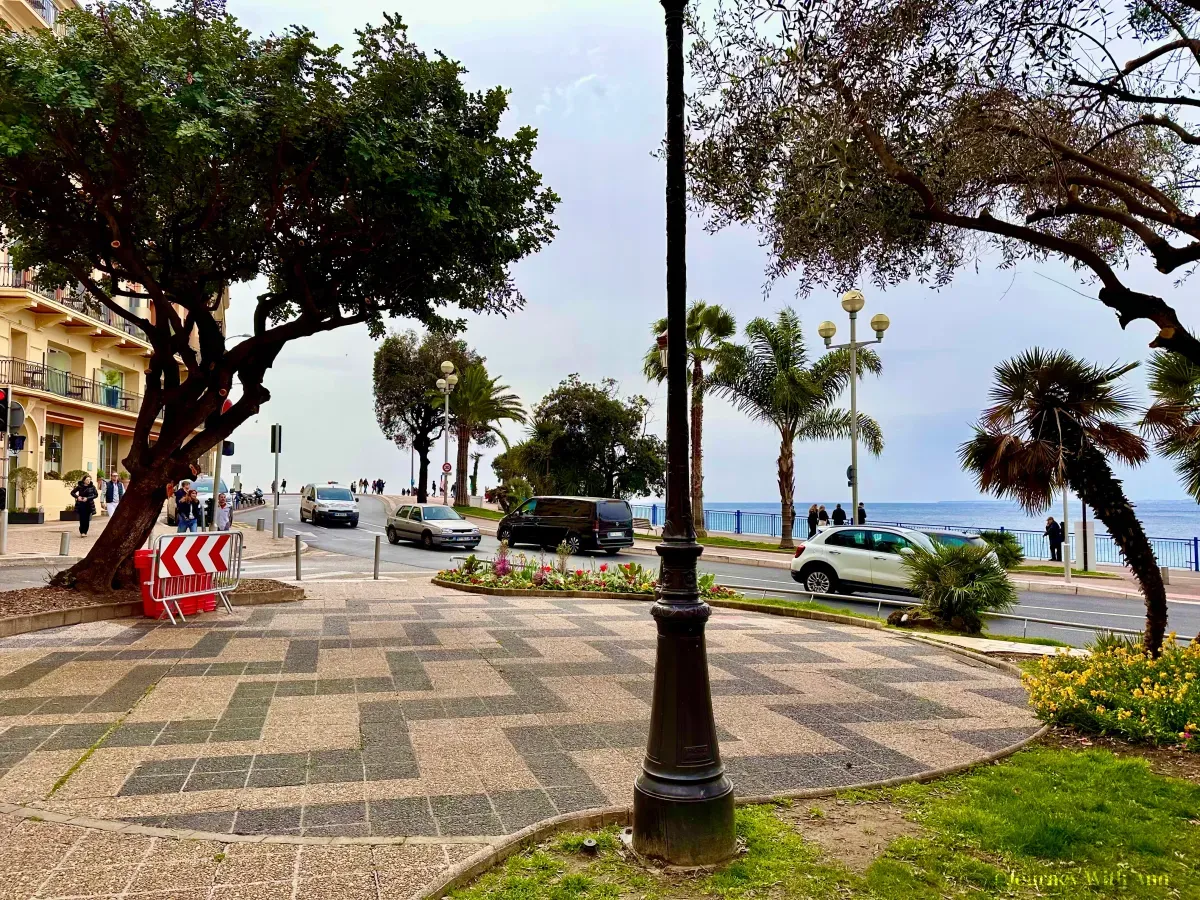
Nice..